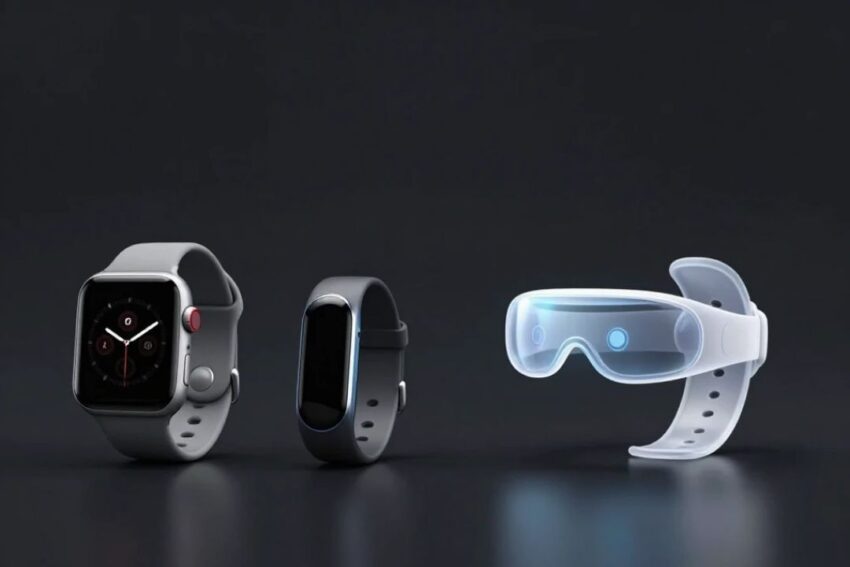
Wearable technology has evolved from simple gadgets into sophisticated devices that influence health, fitness, communication, entertainment, and professional productivity. Over the past few decades, wearables have transformed from basic step counters and heart rate monitors to smartwatches, augmented reality glasses, smart clothing, and even medical devices capable of monitoring chronic conditions. This evolution reflects the convergence of miniaturized electronics, wireless connectivity, data analytics, and artificial intelligence, creating devices that seamlessly integrate into daily life.
The Early Days of Wearables
The history of wearable technology dates back to the late 20th century, with early devices focused on fitness and personal monitoring. Pedometers and basic heart rate monitors were among the first consumer-oriented wearables, designed to track steps or pulses during exercise. These devices were often standalone, limited in functionality, and required manual logging or simple displays.
The late 1990s and early 2000s saw the emergence of more sophisticated wearables. Digital watches began to include additional functions such as alarms, timers, and simple calculators. At the same time, experimental devices, often used in research or military applications, integrated sensors for health monitoring, environmental detection, or communications. These early innovations set the foundation for today’s multifunctional wearables.
The Rise of Smartwatches and Fitness Trackers
The launch of devices like the Fitbit in 2009 and later the Apple Watch in 2015 marked a turning point in wearable technology. Fitness trackers offered more than simple step counting—they could monitor heart rate, sleep patterns, and calories burned. The Apple Watch and similar smartwatches combined fitness tracking with communication features, notifications, apps, and mobile integration, making wearables an indispensable part of daily life.
This era also introduced the concept of continuous health monitoring. Wearables began to provide real-time feedback, helping users make lifestyle adjustments and encouraging more active, healthy behaviors. Social sharing, goal tracking, and gamification became central to user engagement, creating communities that motivate consistent use.
Expansion into Health and Medical Applications
As wearable technology matured, its potential in healthcare became evident. Devices capable of continuous glucose monitoring, electrocardiogram (ECG) readings, blood oxygen tracking, and blood pressure monitoring started to appear. These medical-grade wearables allow users and healthcare providers to monitor chronic conditions remotely, improving patient outcomes and enabling preventive care.
Wearables in healthcare have the potential to reduce hospital visits, support telemedicine, and enable real-time interventions. For example, smartwatches with ECG capabilities can detect irregular heart rhythms and alert users to seek medical advice. Similarly, wearable sensors in clothing can monitor rehabilitation progress or detect falls in elderly patients.
Integration with Augmented and Virtual Reality
Beyond health and fitness, wearable technology has expanded into augmented reality (AR) and virtual reality (VR). AR glasses and VR headsets immerse users in interactive digital environments, enabling applications in gaming, professional training, education, and industrial design. These wearables combine visual, auditory, and sometimes haptic feedback, creating immersive experiences that transform how we work, play, and learn.
AR and VR wearables are increasingly used for remote collaboration, skill development, and simulations in fields such as medicine, aviation, and manufacturing. This integration highlights wearables’ ability to extend human capabilities beyond physical limitations, providing interactive experiences that are both practical and entertaining.
Smart Clothing and the Next Frontier
Smart clothing represents a new wave of wearable technology that seamlessly blends functionality with everyday apparel. E-textiles and garments embedded with sensors can monitor vital signs, detect movement patterns, provide haptic feedback, and even adapt to environmental conditions.
Athletes benefit from performance monitoring without carrying additional devices, while patients can wear health-monitoring clothing for continuous tracking of conditions like heart disease, respiratory disorders, or mobility issues. Smart fabrics that change temperature, ventilation, or color are also emerging, merging technology with fashion, comfort, and personal expression.
The Role of Artificial Intelligence and Data Analytics
The evolution of wearables is closely linked to advances in artificial intelligence (AI) and data analytics. Modern wearables generate large amounts of personal and physiological data, which AI algorithms process to provide insights, predictions, and recommendations.
For instance, AI can analyze heart rate variability, sleep patterns, and activity levels to detect early signs of health issues. Predictive analytics can anticipate fatigue, suggest optimal exercise routines, or even identify stress levels before they become problematic. This integration transforms raw data into actionable information, enabling wearables to serve as personal health advisors, performance coaches, or safety monitors.
Challenges in Wearable Technology
Despite tremendous progress, wearables face ongoing challenges. Accuracy remains a concern, particularly for consumer-grade devices, which may not match the precision of medical instruments. Data privacy and security are critical, as wearables collect sensitive information that can be exploited if mishandled.
Battery life and comfort are also practical constraints. Users often struggle with frequent charging requirements or bulky designs. Additionally, device interoperability and software standardization remain limited, making it challenging to integrate data from multiple wearables seamlessly. Finally, cost and accessibility remain barriers, with advanced wearables often priced beyond the reach of many consumers.
The Future of Wearable Technology
The future of wearables promises even more integration, intelligence, and adaptability. Key trends include:
- Miniaturization and Flexibility: Smaller, lighter, and more flexible devices that can be embedded in clothing, accessories, or even directly on the skin.
- Healthcare Integration: Continuous monitoring of health conditions with predictive analytics and seamless connectivity to healthcare providers.
- AI-Enhanced Personalization: AI algorithms will provide individualized recommendations for health, fitness, productivity, and lifestyle management.
- Energy Efficiency: Advanced battery technology, energy harvesting, and low-power sensors to enable longer use without frequent charging.
- Immersive Experiences: AR, VR, and mixed reality wearables enabling fully interactive environments for work, learning, and entertainment.
- Ethical and Privacy-Centric Design: Devices will increasingly prioritize user privacy, secure data handling, and transparency in collection and usage.
Wearable technology will not just assist humans—it will augment abilities, predict needs, and create entirely new ways of interacting with the world. From personalized health monitoring to immersive virtual experiences, the integration of wearables into daily life is poised to redefine what it means to live, work, and play.
Conclusion
Wearable technology has come a long way, evolving from simple step counters to sophisticated devices capable of monitoring health, enhancing performance, and connecting users to immersive digital worlds. Its growth has been fueled by advances in electronics, sensors, AI, and connectivity, and it continues to expand into new domains such as AR, VR, and smart clothing.
While challenges in accuracy, privacy, cost, and interoperability remain, the potential of wearable technology is immense. The next generation of wearables will be smarter, more intuitive, and more seamlessly integrated into our daily lives, offering not just convenience but empowerment, personalization, and enhanced capabilities.
The evolution of wearables reflects a broader trend: technology moving from external tools to intimate companions, helping us live healthier, more informed, and more connected lives. As innovation continues, wearable devices will not only measure and report—they will predict, guide, and transform the way humans interact with the world around them.