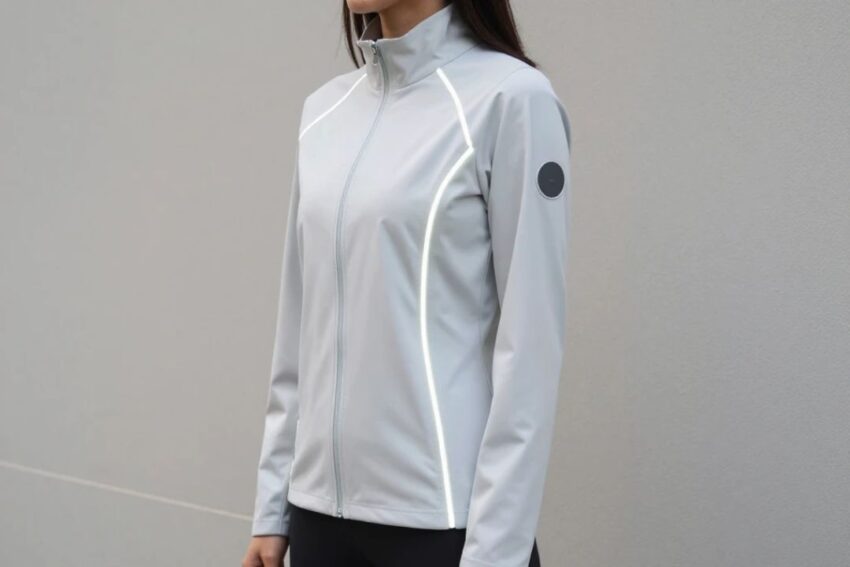
The fashion industry is experiencing a profound transformation with the advent of smart clothing—garments embedded with electronic components, sensors, and connectivity features that combine style with functionality. Far beyond traditional apparel, smart clothing integrates technology to monitor health, enhance performance, provide adaptive comfort, and even connect wearers to the digital world. This fusion of fashion and technology is not only redefining how we dress but also reshaping lifestyle, healthcare, and human-computer interaction.
What Is Smart Clothing?
Smart clothing, also referred to as “e-textiles” or “wearable tech apparel,” encompasses garments and accessories that incorporate sensors, conductive fibers, microchips, and wireless connectivity. Unlike traditional wearables such as smartwatches, smart clothing is seamlessly integrated into everyday garments, making technology less obtrusive and more intuitive.
These garments can perform a variety of functions, including monitoring vital signs like heart rate, body temperature, and posture; tracking physical activity; providing haptic feedback; and interacting with smartphones or other devices. With advancements in nanotechnology and flexible electronics, sensors can now be woven into fabrics, creating durable, washable, and comfortable garments suitable for everyday use.
Health and Fitness Applications
One of the most prominent applications of smart clothing is in health and fitness. Smart sportswear equipped with sensors can monitor physiological parameters during workouts, allowing athletes and fitness enthusiasts to optimize their performance. For instance, shirts with built-in heart rate monitors can provide real-time feedback on cardiovascular exertion, while leggings with motion sensors can analyze gait, posture, and muscle activity.
These insights help prevent injuries, enhance training efficiency, and improve overall fitness outcomes. Unlike handheld devices or wrist-worn gadgets, smart clothing provides a more comprehensive and continuous view of the wearer’s body mechanics. This is particularly beneficial for professional athletes, rehabilitation patients, or individuals with specific fitness goals who require precise monitoring.
Medical and Healthcare Integration
Beyond fitness, smart clothing is emerging as a valuable tool in healthcare. Patients with chronic illnesses, such as cardiovascular disease, respiratory disorders, or diabetes, can benefit from garments that continuously monitor vital signs and transmit data to healthcare providers. For example, smart shirts with embedded ECG sensors can detect irregular heart rhythms, while garments with temperature and sweat sensors can monitor hydration levels and detect signs of infection.
In elder care, smart clothing can enhance safety and independence. Sensors can detect falls, track mobility, and even monitor sleep quality, alerting caregivers or family members in case of emergencies. This integration of health monitoring into everyday clothing enables proactive care, reduces hospital visits, and empowers patients to manage their health more effectively.
Adaptive Comfort and Environmental Control
Smart clothing is also addressing comfort and adaptability in daily life. Some garments can adjust their temperature or ventilation based on external conditions or the wearer’s body heat. For example, jackets with built-in heating elements can warm the wearer in cold climates, while fabrics that change porosity can improve breathability during exercise.
Innovative fabrics are being designed to respond to environmental stimuli, such as sunlight, moisture, or air quality, providing a personalized experience. This adaptability not only improves comfort but also reduces energy consumption, as wearable thermal regulation can complement home or building heating and cooling systems.
Fashion Meets Technology
While functionality is essential, smart clothing also embraces style. Designers are experimenting with garments that integrate LED lights, color-changing fabrics, or interactive patterns, allowing wearers to express individuality while staying connected. For instance, dresses embedded with programmable LEDs can change colors or patterns in response to music, movement, or smartphone commands.
This intersection of fashion and technology opens new avenues for creativity, enabling designers to merge aesthetics with practical applications. Wearers can enjoy clothes that are not only visually striking but also responsive to their activities and surroundings. It represents a shift from passive fashion to interactive, dynamic apparel.
Connectivity and the Internet of Things (IoT)
Smart clothing is part of the broader Internet of Things (IoT) ecosystem. Garments can communicate with smartphones, smartwatches, fitness equipment, or cloud platforms, allowing data to be collected, analyzed, and shared. Users can receive notifications, track performance metrics, or even control other connected devices through their clothing.
For example, smart gloves equipped with sensors can interact with virtual reality (VR) or augmented reality (AR) systems, enabling immersive experiences in gaming, training, or professional applications. Similarly, smart shoes can analyze walking patterns and sync with mobile apps to provide insights for physical therapy or injury prevention.
Challenges and Considerations
Despite the exciting potential, smart clothing faces challenges in adoption and scalability. One major concern is durability—electronics must withstand washing, bending, and regular wear without degradation. Manufacturers are continually developing flexible, washable circuits and robust conductive fibers to address this issue.
Cost is another barrier. High-tech garments are currently more expensive than traditional clothing, limiting accessibility. As production techniques improve and economies of scale develop, prices are expected to become more affordable, potentially bringing smart clothing into mainstream markets.
Privacy and data security also require careful consideration. Garments that monitor physiological or location data must ensure secure storage and transmission to prevent misuse or breaches. Transparency in data handling and user control over information will be crucial for widespread adoption.
Future Prospects
The future of smart clothing is incredibly promising. Advancements in nanotechnology, artificial intelligence, and biotechnology may lead to garments that can self-heal, adapt to complex environmental conditions, or even deliver medications through the skin. Biometric fabrics could detect early signs of illness, while AI-powered clothing could offer real-time guidance for posture correction, stress management, or fitness optimization.
Furthermore, as wearable technology becomes more integrated into daily life, we may see a convergence of fashion, health, and connectivity where clothing functions as a personal assistant, health monitor, and fashion statement simultaneously. This integration could redefine the role of apparel in society, making garments an essential part of our digital and physical well-being.
Conclusion
Smart clothing represents a revolutionary blend of fashion and technology, offering functionality, health benefits, and personalized experiences that traditional garments cannot provide. From fitness monitoring and medical applications to adaptive comfort and expressive design, these garments are reshaping how we interact with clothing and the world around us.
While challenges such as durability, cost, and privacy remain, the potential for innovation is vast. As technology continues to advance, smart clothing is poised to become an integral part of daily life, merging style with utility, and transforming apparel from a simple covering into a powerful tool for health, performance, and personal expression.
By bridging the gap between technology and fashion, smart clothing not only enhances our lives but also signals a future where our garments are as intelligent as they are stylish.