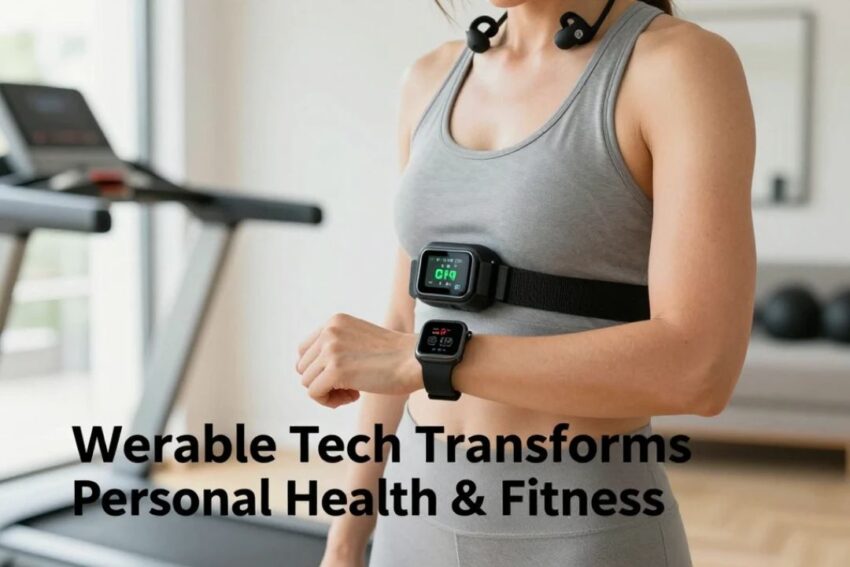
In the past decade, the rise of wearable technology has reshaped the way people approach health and fitness. Devices such as smartwatches, fitness trackers, and wearable sensors have moved from being novelty gadgets to essential tools in daily life. These devices not only track physical activity but also provide actionable insights that can influence lifestyle choices, medical interventions, and overall well-being. The transformation is driven by advances in miniaturized electronics, wireless connectivity, and sophisticated algorithms that allow data to be collected, analyzed, and interpreted in real-time.
The Evolution of Wearable Health Devices
Wearable technology in health began with basic pedometers and heart rate monitors. Early devices could only count steps or monitor heartbeats during exercise. However, the growing demand for more sophisticated monitoring led to the development of multi-functional devices capable of tracking sleep, calories burned, blood oxygen levels, and even electrocardiograms (ECG). Today, modern wearables are equipped with sensors that can detect subtle changes in physiological patterns, providing users with insights that were once only accessible through medical tests.
Smartwatches, such as the Apple Watch or Fitbit devices, have become a central hub for health data. These wearables integrate seamlessly with smartphones and cloud-based platforms, allowing users to track their fitness goals, set reminders, and even share progress with friends or healthcare providers. By combining sensors, machine learning, and user-friendly interfaces, wearable tech offers personalized health guidance that adapts to individual lifestyles.
Fitness Tracking and Motivation
One of the most significant impacts of wearable technology on personal health is its role in fitness tracking. Wearable devices monitor steps, distance traveled, heart rate, and calories burned, giving users a quantitative view of their physical activity. This data allows individuals to set realistic fitness goals and measure progress over time.
Many devices now offer goal-setting features, reminders, and motivational prompts, helping users stay consistent in their routines. Social integration has also been a powerful motivator. Apps linked to wearable devices often include community challenges, leaderboards, and sharing options that encourage friendly competition and accountability. This gamification of fitness has led to increased engagement and adherence to exercise programs.
Moreover, wearable tech provides valuable feedback during workouts. Real-time heart rate monitoring ensures that users train within safe and effective zones, reducing the risk of overexertion while maximizing results. Advanced devices can analyze running form, provide guided workouts, and even detect irregularities in heart rhythms, alerting users to potential health issues.
Monitoring Chronic Conditions
Beyond fitness, wearable technology has become a critical tool for managing chronic health conditions. Devices capable of continuous glucose monitoring (CGM) have revolutionized diabetes management by providing real-time data on blood sugar levels. Patients no longer rely solely on finger-prick tests; instead, CGM devices alert them to fluctuations and trends, allowing timely interventions and dietary adjustments.
Similarly, wearable devices can monitor cardiovascular health. Smartwatches with ECG capabilities can detect irregular heartbeats or arrhythmias, potentially preventing serious conditions such as atrial fibrillation. This continuous monitoring provides valuable information to both users and healthcare professionals, facilitating early diagnosis and more personalized care.
For individuals with respiratory conditions, some wearable devices track blood oxygen saturation and breathing patterns. These measurements can help detect early signs of respiratory distress, enabling users to seek medical attention before conditions worsen. In all these cases, wearable technology bridges the gap between daily life and healthcare, empowering users to take proactive steps in managing their health.
Sleep Tracking and Mental Health
Health is not limited to physical activity, and wearable technology has expanded its role to monitor sleep and mental well-being. Sleep trackers analyze patterns of rest, including duration and quality, to help users optimize their sleep schedules. Proper sleep is essential for recovery, cognitive function, and overall health, making these insights valuable for long-term wellness.
Some wearable devices also track stress levels using heart rate variability and other physiological markers. By detecting patterns associated with stress or anxiety, these devices provide feedback and suggest interventions such as deep-breathing exercises or mindfulness techniques. This integration of mental health monitoring highlights the potential of wearable tech to offer holistic health insights beyond conventional fitness metrics.
Data Analytics and Personalized Insights
The real power of wearable technology lies in data analytics. Modern devices collect vast amounts of information, which is then processed using algorithms to generate actionable insights. Users can track trends over weeks or months, identifying patterns that may influence health outcomes. For example, a user might discover that poor sleep correlates with higher heart rates or decreased physical activity, prompting lifestyle adjustments.
Personalized insights also extend to nutrition, hydration, and overall wellness. Some devices can recommend dietary adjustments based on activity levels and caloric expenditure. Others provide reminders to drink water, take breaks from sedentary work, or practice posture correction. This level of personalized guidance empowers users to make informed decisions about their health in real time.
Challenges and Limitations
While wearable technology offers numerous benefits, it is not without limitations. Accuracy remains a concern; consumer-grade devices may provide approximate data rather than medical-grade precision. Users should interpret results with caution and consult healthcare professionals for critical health decisions.
Data privacy is another challenge. Wearables collect sensitive personal health information, and improper handling could lead to breaches or misuse. Ensuring robust security measures, transparent privacy policies, and user control over data is crucial for maintaining trust in wearable devices.
Finally, accessibility and cost can limit widespread adoption. High-end devices may be expensive, and not all individuals can afford them, potentially creating a gap in health monitoring capabilities across different socioeconomic groups.
Future Directions
The future of wearable technology in health and fitness is incredibly promising. Emerging trends include implantable devices, more advanced biosensors, and AI-driven predictive analytics. Wearables are expected to become even more integrated with healthcare systems, allowing real-time monitoring, telemedicine consultations, and personalized treatment plans.
The integration of wearable tech with artificial intelligence could enable predictive health insights, identifying potential illnesses before symptoms appear. Moreover, miniaturization and improved battery life will make devices more convenient, less intrusive, and more capable of continuous monitoring.
Conclusion
Wearable technology has fundamentally changed the way individuals approach personal health and fitness. From tracking physical activity and monitoring chronic conditions to optimizing sleep and supporting mental well-being, these devices provide insights that empower users to make informed health decisions. While challenges such as accuracy, privacy, and accessibility remain, the benefits are undeniable. As technology continues to evolve, wearable devices will play an increasingly vital role in promoting healthier lifestyles, enhancing preventive care, and ultimately transforming personal health management.
By bridging the gap between everyday life and healthcare, wearable technology is not just a convenience—it is a powerful tool shaping the future of health and wellness.