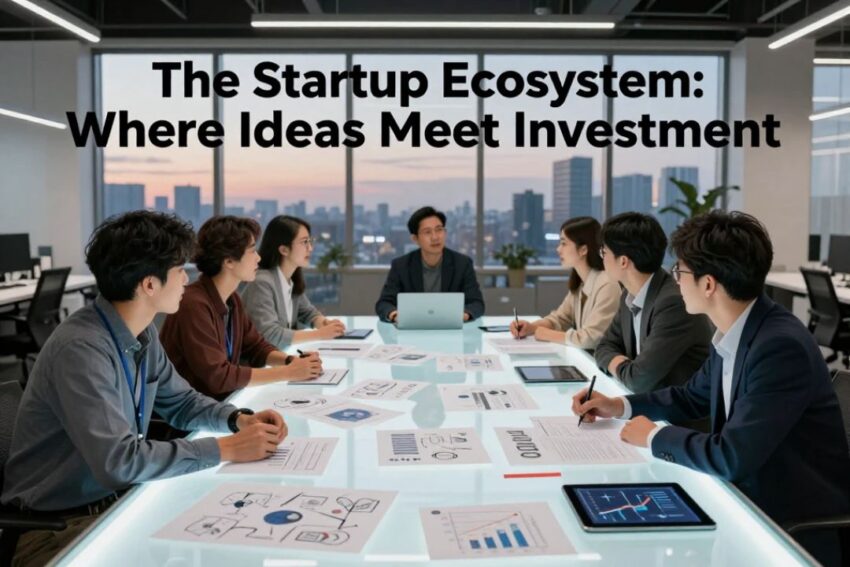
In the world of entrepreneurship, a brilliant idea is just the beginning. To turn that idea into a successful business, startups need more than vision—they need a supportive ecosystem. A startup ecosystem is a complex network of founders, investors, mentors, accelerators, universities, and service providers that collectively fuel innovation and growth. Where ideas meet investment, innovation thrives, and industries are transformed.
This article explores how startup ecosystems function, why they matter, and how they shape the next generation of successful companies.
Understanding Startup Ecosystems
A startup ecosystem is more than a cluster of companies—it is a dynamic environment that nurtures innovation. Key elements of a thriving ecosystem include:
- Founders and Entrepreneurs
At the heart of every ecosystem are the individuals willing to take risks, innovate, and challenge the status quo. Successful ecosystems attract ambitious, skilled entrepreneurs capable of turning ideas into scalable businesses. - Investors and Funding Networks
From angel investors to venture capitalists, access to capital is critical. Funding provides startups with resources to develop products, hire talent, and expand into new markets. Strategic investors also bring mentorship and industry connections. - Mentors, Advisors, and Coaches
Experienced mentors help founders navigate challenges, avoid common pitfalls, and refine business strategies. The guidance provided at early stages can significantly increase the likelihood of success. - Accelerators and Incubators
Programs like Y Combinator, Techstars, and 500 Startups provide mentorship, resources, and seed funding. They shorten the learning curve for early-stage startups and often connect them to investors and partners. - Universities and Research Institutions
Academic institutions play a dual role: producing talent and generating cutting-edge research. Collaboration between startups and universities accelerates technology commercialization. - Service Providers and Corporations
Legal, accounting, marketing, and technical services help startups navigate complex business processes. Established corporations can serve as customers, partners, or investors. - Government and Policy Support
Supportive regulations, tax incentives, grants, and infrastructure foster entrepreneurship. Regions that encourage innovation, such as Singapore or Estonia, often see higher startup density.
Why Ecosystems Matter
A strong startup ecosystem reduces risk, accelerates learning, and enables growth. Unlike isolated ventures, startups in supportive environments benefit from:
- Knowledge Sharing: Collaboration and networking create opportunities to learn from others’ successes and mistakes.
- Access to Capital: Investors are more likely to fund startups in ecosystems with proven track records.
- Market Opportunities: Networks provide connections to potential customers, partners, and global markets.
- Talent Acquisition: Entrepreneurs can attract skilled professionals who want to be part of vibrant innovation hubs.
In short, a healthy ecosystem amplifies the chances of startup success and fosters regional economic growth.
Global Examples of Thriving Ecosystems
1. Silicon Valley, USA
Arguably the most famous startup hub, Silicon Valley’s success stems from a combination of top-tier universities (like Stanford), abundant venture capital, and a culture that encourages risk-taking. Companies such as Google, Apple, and Facebook emerged from this ecosystem.
2. Berlin, Germany
Berlin’s ecosystem benefits from affordable living, a diverse talent pool, and strong government support. Startups like N26 and SoundCloud highlight how the city fosters creativity and growth.
3. Bangalore, India
Known as the “Silicon Valley of India,” Bangalore combines engineering talent, entrepreneurial spirit, and IT infrastructure. Startups such as Flipkart and Ola have leveraged this ecosystem to scale nationally and globally.
4. Singapore
Singapore’s strategic location, government incentives, and ease of doing business make it an attractive ecosystem for both local and international startups. It has emerged as a hub for fintech, biotech, and AI startups targeting Asia-Pacific markets.
How Investment Shapes Innovation
Investment is the lifeblood of startup ecosystems. Without access to capital, even the most brilliant ideas may fail. Venture capital, angel investors, and corporate funding fuel:
- Product Development: Startups can build, test, and refine products more quickly.
- Talent Recruitment: Capital allows for hiring the right talent to execute vision.
- Market Expansion: Funding supports marketing campaigns, international expansion, and infrastructure.
- Risk-Taking: With financial backing, startups can experiment with disruptive ideas without immediate revenue pressure.
Notably, investors do more than provide funds—they offer mentorship, industry connections, and strategic guidance. The combination of capital and expertise accelerates growth and reduces the likelihood of failure.
Building a Startup Ecosystem: Lessons Learned
Regions seeking to foster innovation can take cues from successful ecosystems:
- Encourage Collaboration
Cross-pollination between startups, universities, and corporations drives knowledge sharing and innovation. - Provide Early-Stage Funding
Seed funding, grants, and angel networks help entrepreneurs test ideas and build viable products. - Foster Talent Development
Education, mentorship programs, and access to technical training create a skilled workforce. - Implement Supportive Policies
Streamlined regulations, tax incentives, and infrastructure investments make it easier to launch and scale startups. - Promote a Culture of Risk-Taking
Accepting failure as part of the process encourages experimentation and innovation.
Challenges in Startup Ecosystems
Even thriving ecosystems face challenges. Common issues include:
- Inequality in Funding: Certain demographics or regions may struggle to access capital.
- Talent Shortages: Rapid growth can outpace the availability of skilled professionals.
- Regulatory Barriers: Complex legal requirements can slow expansion or discourage entrepreneurship.
- Overcrowding: Too many startups in the same niche can increase competition and reduce survival rates.
Addressing these challenges requires collaboration among governments, investors, and entrepreneurs to create sustainable growth.
The Future of Startup Ecosystems
The next generation of startup ecosystems will be shaped by emerging technologies such as AI, blockchain, green tech, and biotechnology. Additionally, globalization of entrepreneurship means ecosystems are increasingly interconnected. Startups in one region can collaborate with investors, mentors, and partners globally, creating a more diverse and resilient network.
Digital infrastructure, remote work, and online funding platforms are democratizing access, allowing startups from smaller cities or developing nations to participate in global innovation networks. This trend promises a future where innovation is not limited to traditional hubs but thrives wherever talent and vision exist.
Conclusion
The startup ecosystem is where ideas meet investment—and where innovation turns into reality. By connecting founders, investors, mentors, and institutions, ecosystems create an environment where startups can grow, scale, and transform industries.
For entrepreneurs, understanding the dynamics of these ecosystems is essential. It’s not enough to have a great idea—success depends on networks, mentorship, capital, and support structures. For investors and policymakers, nurturing vibrant ecosystems ensures economic growth, technological advancement, and societal progress.
In the end, thriving startup ecosystems are a reminder that innovation does not happen in isolation. Where ideas meet investment, opportunity emerges—and the future is written.